Website design for small businesses in Bradford: a planning guide.
Website design for a small business in Bradford starts with the services it sells, the customers it serves and the action each visitor needs to take. This guide explains how to plan a useful business website before commissioning its design and build.
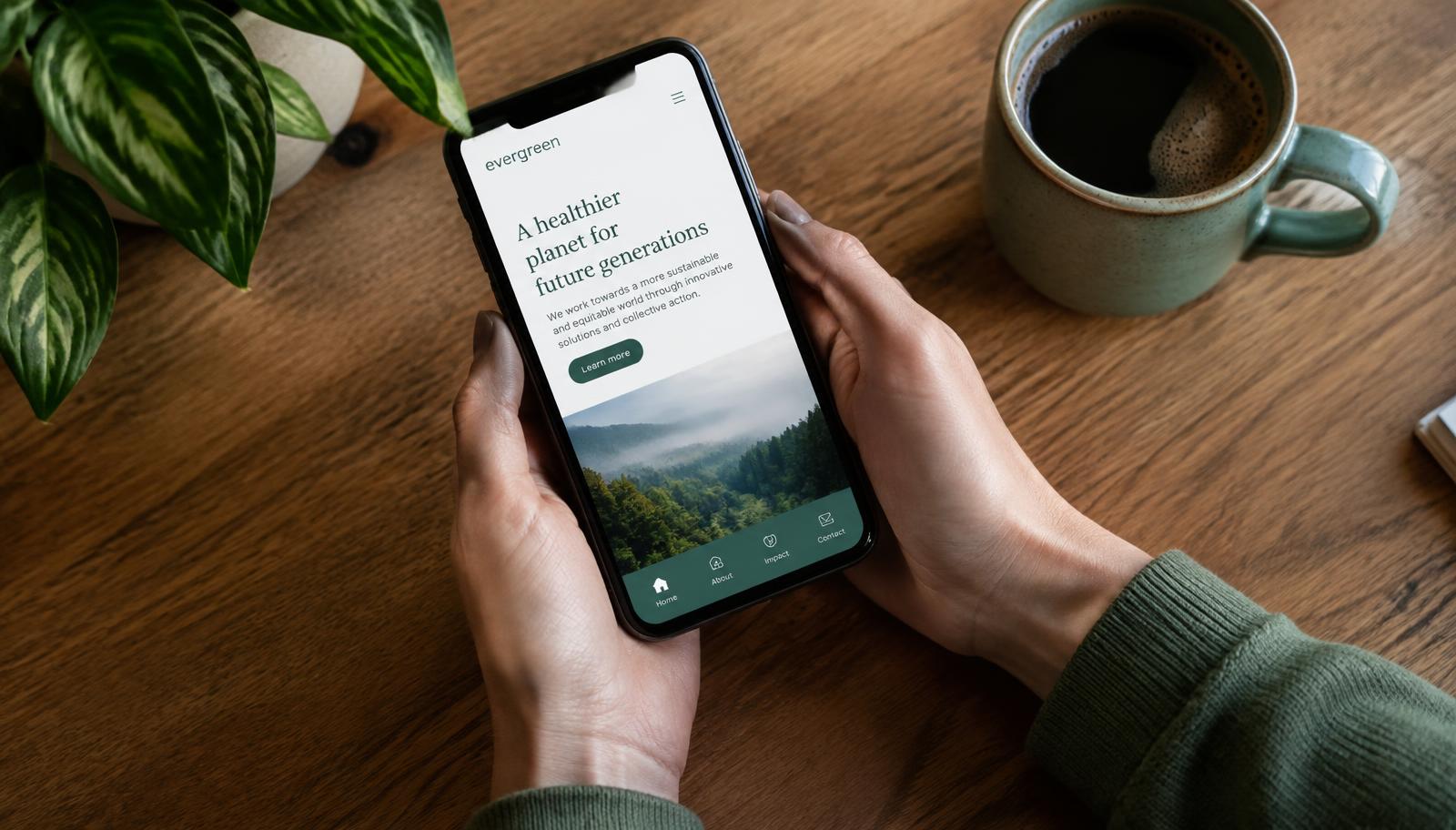
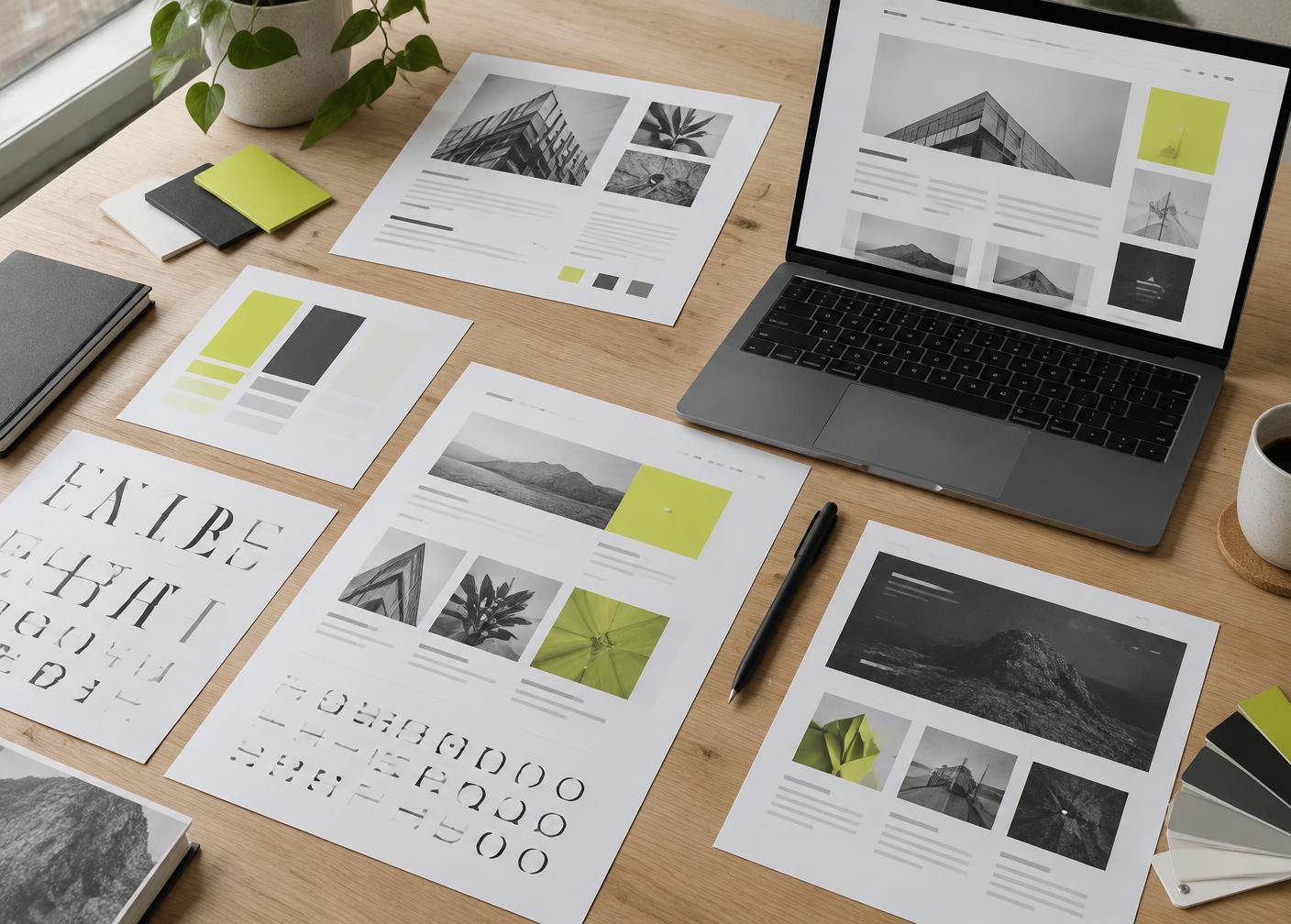
For our agency overview and examples of responsive website concepts, visit Bradford Web Design. Bradford Web Design
What job does a small business website need to do?
A small business website explains the offer, establishes trust and gives a relevant visitor a clear next step.
Choose that next step before choosing colours or layouts. A repair business needs an enquiry about a fault; a shop needs a purchase or a visit; a consultant needs an enquiry with enough detail to assess the work. These goals require different content and forms.
Write a short brief with your services, ideal customers, genuine service area and primary action. Use Bradford in the content when it describes where you work, not as a repeated phrase in every heading.
Which pages belong on a Bradford small business website?
The page plan follows distinct customer questions rather than a fixed page count.
A homepage introduces the business. Service pages explain separate offers in detail, an about page identifies the people behind the business, and a contact page gives visitors a reliable way to reach them. Add price guidance, booking information or delivery details where those questions affect a purchase.
Location pages need useful differences, such as genuine coverage arrangements or collection details. Replacing a town name in otherwise identical text does not add a useful answer.
- Homepage: business, audience and main action
- Service or product pages: scope, exclusions and next step
- About: real people, experience and verifiable credentials
- Contact: working contact method and accurate location
- Supporting guides: questions customers ask before buying
How does a website turn a visit into an enquiry?
An enquiry journey connects the visitor's question to an appropriate contact action.
Place the action after the information needed to make a decision. A service page needs scope, coverage and evidence before asking for an enquiry. Keep the form focused on the details required to respond: name, contact method and a description of the request.
Test the journey on a phone using a realistic customer question. Confirm that the message reaches the intended recipient and that the visitor receives a clear confirmation. A button that looks finished is not evidence that the enquiry journey works.
What content proves a small business is trustworthy?
Trustworthy website content contains accurate business details and evidence the business has permission to publish.
Use photographs of your work, named staff, genuine reviews and specific descriptions of completed projects. Explain what a project involved instead of making unsupported claims about being Bradford's best provider.
A new business without client work needs honest alternatives: a founder's relevant experience, a clear process and labelled demonstrations. Our homepage labels its mockups as website concepts, not client projects.
How do you compare quotes without choosing on price alone?
Comparable website quotes state the pages, features, content responsibilities, ownership and support included.
Separate the initial build from ongoing domain, hosting and maintenance costs. Check whether writing, photography, revisions and content editing are included. Use the dedicated website cost guide for budgeting rather than treating a general range as a quote for your project.
Ask who owns the domain account and how you receive access to the finished site. A lower initial price does not establish which proposal is better when the scopes differ.
What needs checking before the website goes live?
Launch checks confirm that the website is accurate, usable and ready to receive real enquiries.
Check forms, contact links, mobile layouts, keyboard access, image sizes and page titles. Review privacy information against the information you actually collect. If replacing an existing website, map old page addresses to relevant replacements.
After launch, review relevant enquiries alongside visits. More traffic is not the same as more suitable customers. Use customer questions to improve service pages before publishing unrelated articles.